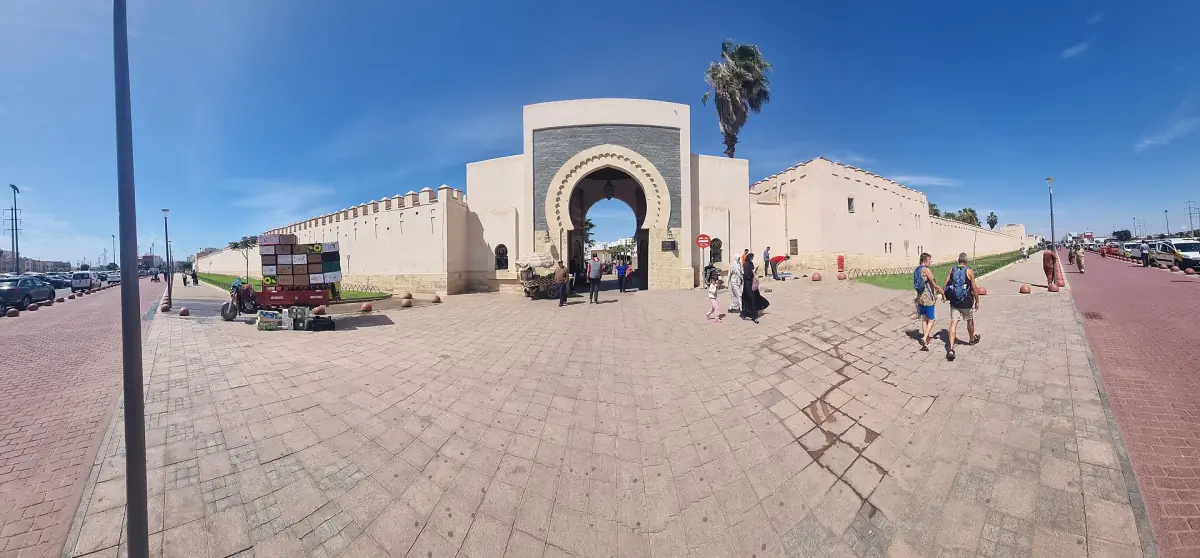
Souk El Had at a glance
Souk El Had is the large market of Agadir. The name means roughly Sunday market, but the market does not run on Sundays only. It is open on most days of the week. The one day it is closed is Monday, when the grounds are cleaned.
The regional tourism portal describes a walled site of more than 13 hectares with more than 3,000 shops and 13 large gates. The surrounding wall is about 6 m high. These are figures from the tourism portal, not an independent count, but they give you a fair idea of the scale. Plan to walk, and plan to get a little lost.
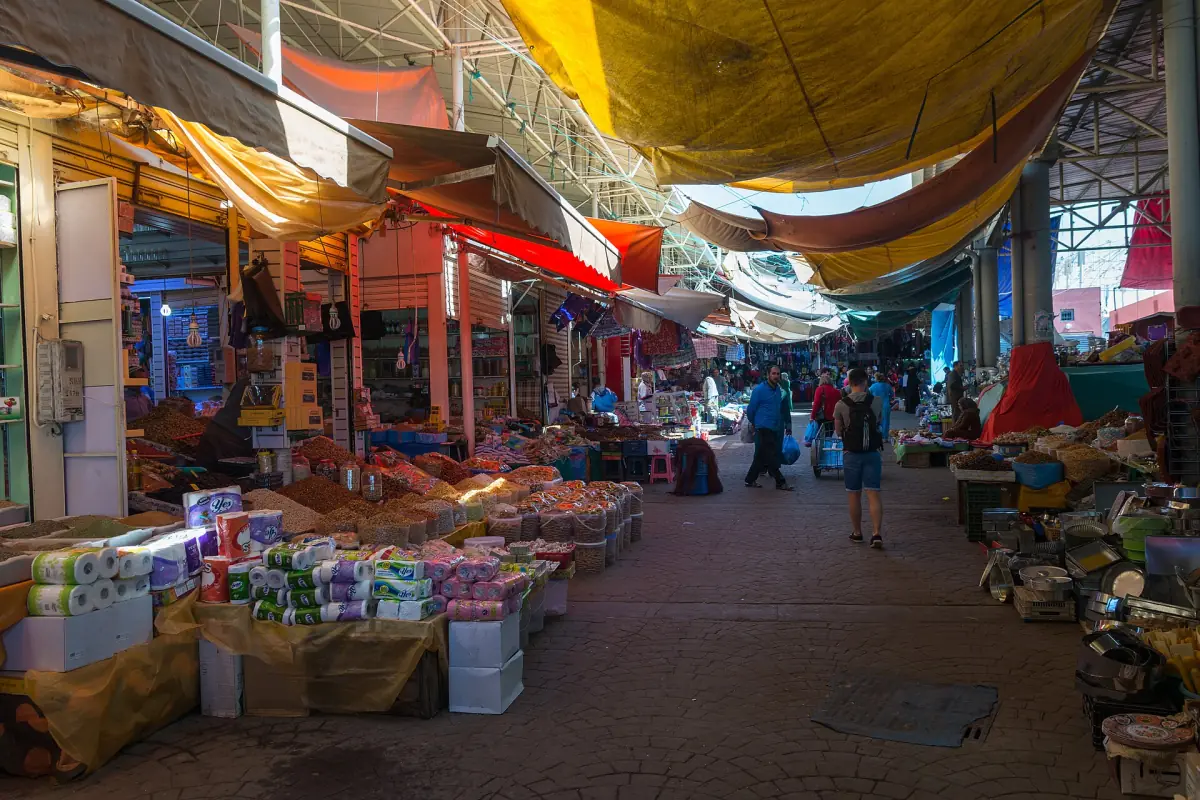
Opening days and the best time to go
The market is closed on Monday. On the other days, plan for daytime hours.
| Day | Status | Good to know |
|---|---|---|
| Monday | Closed | Weekly cleaning |
| Tuesday to Sunday | Open | Commonly given as about 8:00 to 18:00; early morning on a weekday is recommended |
Daily hours are commonly given as about 8:00 to 18:00, Tuesday to Sunday. Hours may change around holidays and during Ramadan, so check the current timetable before you go. The tourism portal recommends going early in the morning on a weekday, and that is good advice: the lanes are less crowded, and it is cooler for walking.
Our picks: Souk El Had
Two guided city tours with time at the souk.
Hand-picked tours, booked through GetYourGuide. Prices are indicative starting prices in euros (as of October 2026). Tap a tour for live availability and the current price in your currency.
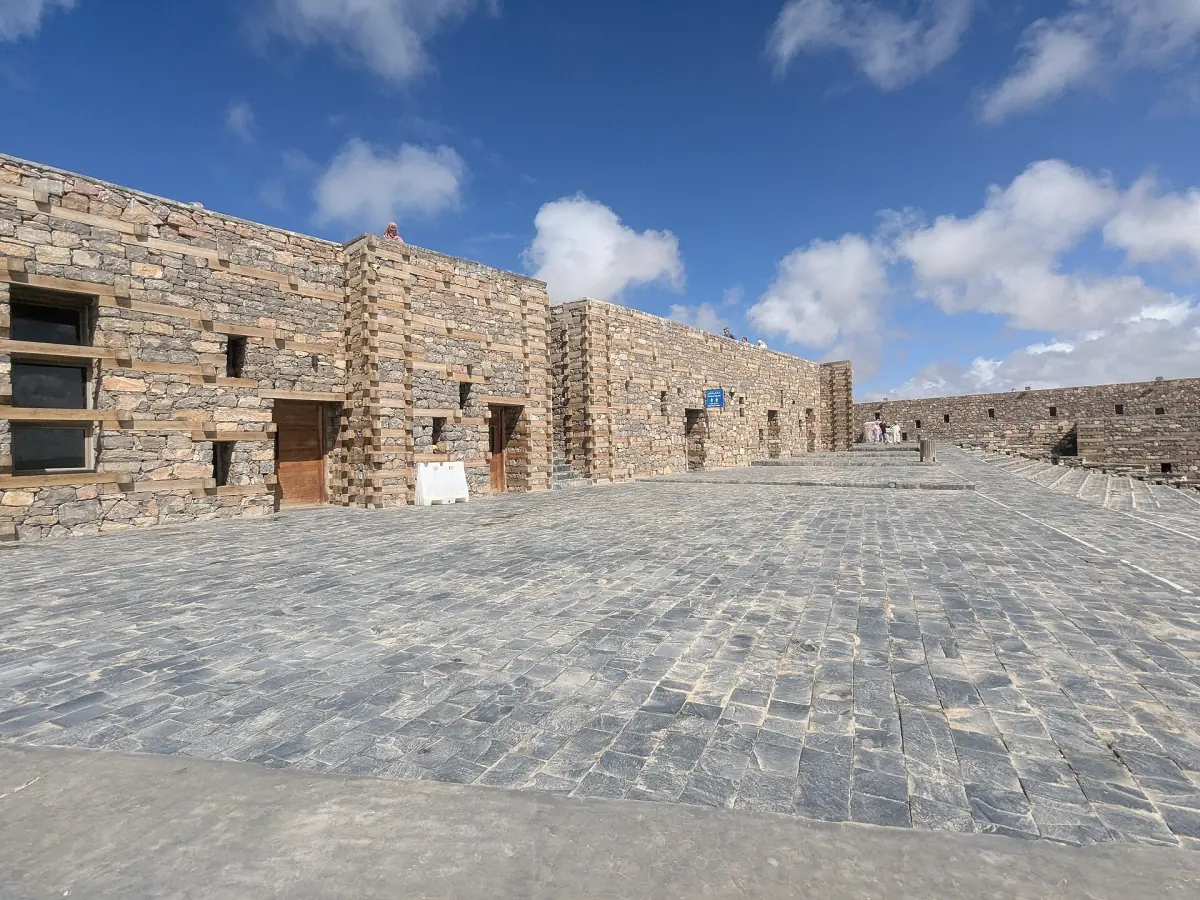
Agadir city tour: kasbah, souk and marina
A driver and guide with hotel pickup and drop-off. Kasbah entry, food, drinks and personal expenses are not included.
Check availability →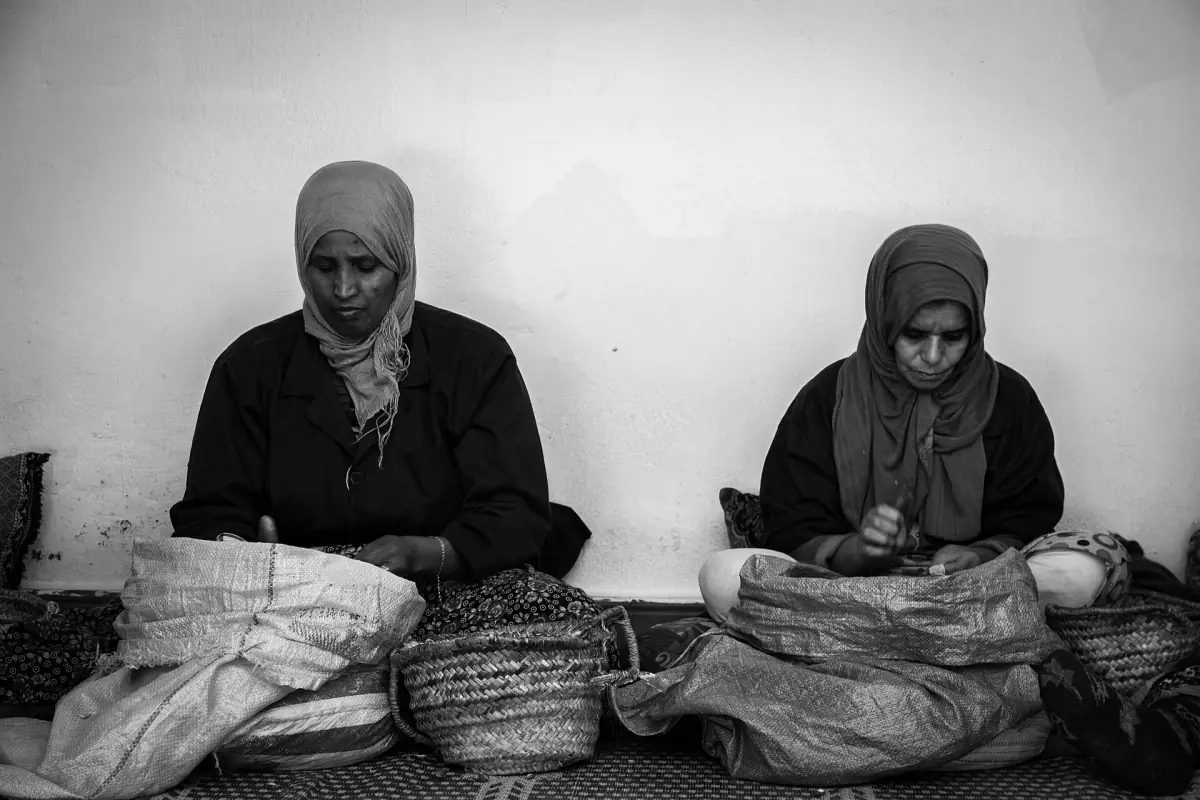
Agadir sightseeing with souk and argan oil cooperative
A local guide, hotel pickup, a visit to Agadir Oufella, one hour at Souk El Had and a stop at an argan oil cooperative. Tips, food and drinks are extra, and the souk is closed on Mondays.
Check availability →Agadir tours with a guide
Guided city tours and day trips from Agadir, with live prices and availability.
Getting there and finding your way
You can reach the market on foot, by taxi or by bus. Whichever you choose, agree on a gate as your meeting point for the return trip. With 13 gates, it is easy to leave the market far from where you started, and a fixed meeting point saves you a long walk around the wall. This is our own suggestion, not a local rule.
Carry cash. The tourism portal recommends it, and cash is the safe way to pay at a market stall. The portal also says a guide is not needed. Wear closed shoes you can walk in for a couple of hours, and keep your phone and wallet in a front pocket or bag you can close.
Bargaining without stress
Bargaining is common in a market of this kind, but it is a custom, not an obligation, and no fixed discount is guaranteed. A few rules keep it friendly.
- Ask the price, then decide whether you want to bargain at all. Some sellers will not move, and that is fine.
- Only bargain for something you really want. Once you agree on a price, buy it.
- Stay polite and smile. A calm counteroffer works better than a dramatic walk-away.
- Keep small notes and coins, so that you can pay the exact amount.
- You are free to say thank you and walk on at any point.
For anything larger, look at two or three stalls before you decide.
Other markets and crafts near Agadir
If you enjoy Souk El Had, these places offer a different kind of market day.
Medina d'Agadir (Medina Polizzi)
A newly built medina complex, begun in 1992 by Coco Polizzi, in Hay Aghroud, Bensergao. It is not an old town preserved from before the earthquake. Entry is 40 MAD for adults and 20 MAD for children aged 4 to 12, free under 4 (2026). It is open daily from 9:00 to 18:00, and tickets are sold at the gates. A taxi from the center takes roughly 10 minutes.
Taroudant
A walled medina in the Souss valley with a craft souk between Place Assarag and Talmeklat, and tanneries near Bab Targount. It makes a full day trip, so read the Agadir excursions guide for the options.
Tiznit
A medina known for silversmith work, with Place Al Michouar, the spring of Ain Aqdim (Source Bleue) and the Kasbah Aghanaj as landmarks. Do not take claims about the authenticity of silver at face value.
Planning your visit
For a first visit, allow two to three hours. That is enough to walk a few lanes, stop for a drink and look at the stalls that interest you without rushing. You will not see everything, and you do not need to.
- Go on Tuesday to Friday if you want a calmer pace, and aim for the morning.
- Wear shoes you can walk in and a hat or sun protection.
- Bring a bag with a zip, and carry only the cash you expect to spend.
- Note which gate you entered by, and take a photo of the sign or the street opposite.
- Check the current timetable if you visit around a public holiday or during Ramadan.
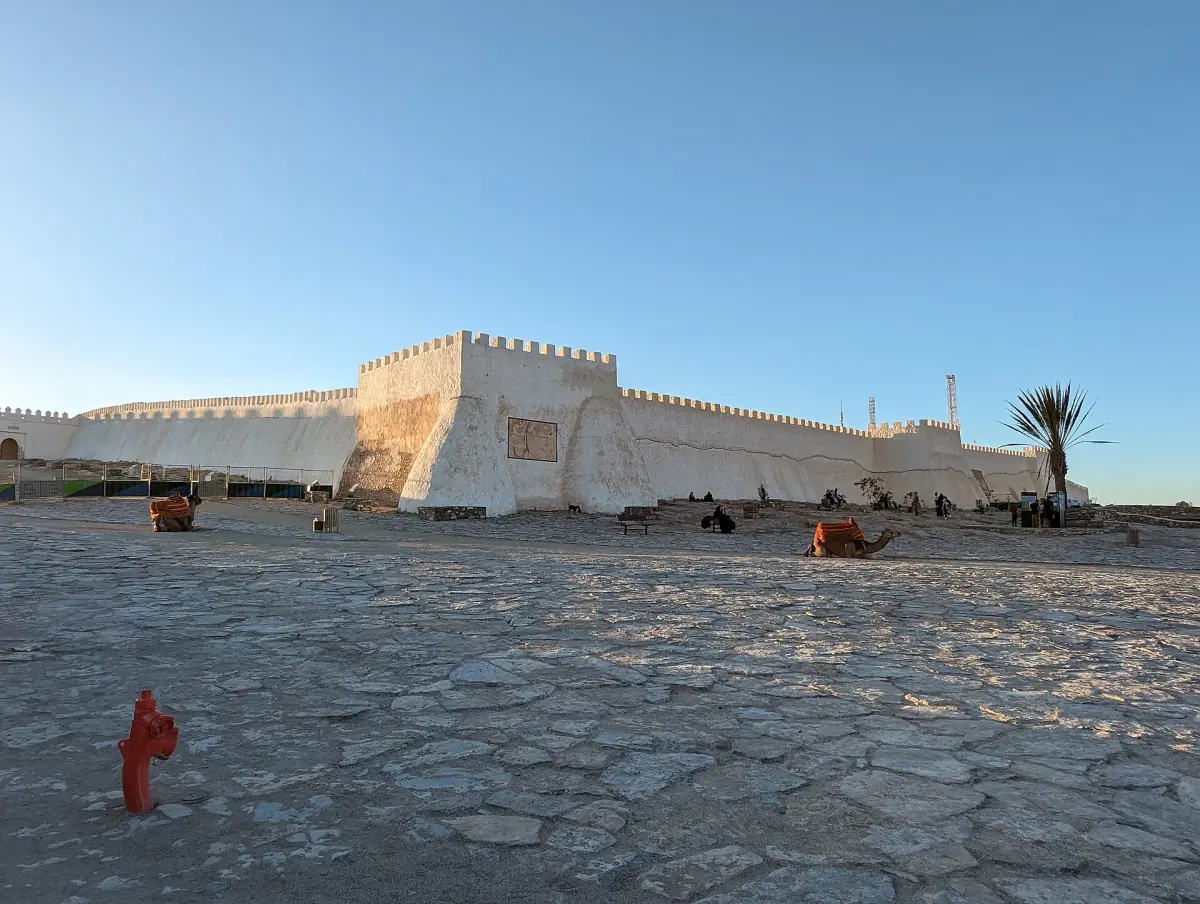
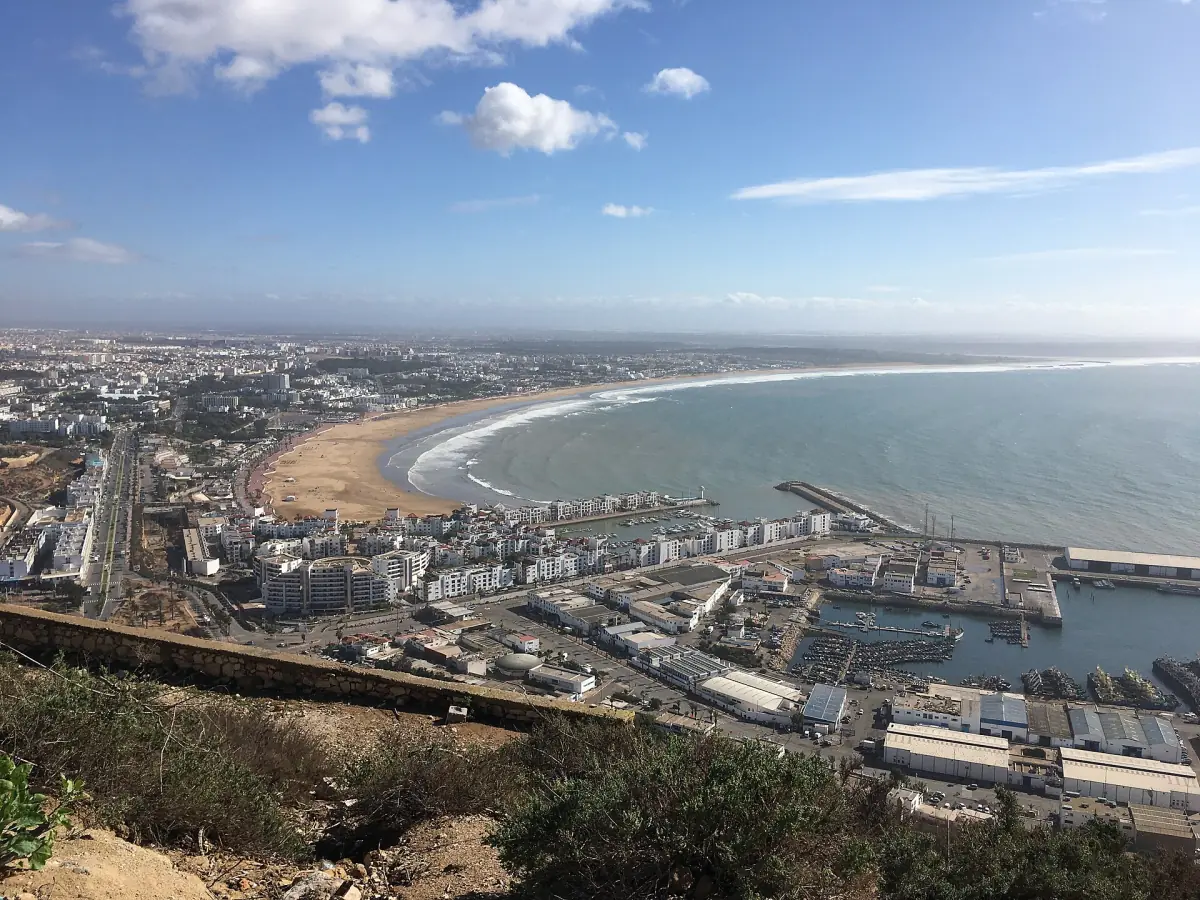
If you want context before you go, the Agadir Oufella Kasbah explains how the old city was lost in 1960 and why the new one looks the way it does.
Souk El Had: frequently asked questions
Which day is Souk El Had closed?
Monday, for the weekly cleaning. The other days are open, despite the name.
What time does the market open?
Daily hours are commonly given as about 8:00 to 18:00, Tuesday to Sunday. Check the current timetable before you go, especially around holidays and Ramadan.
When is the best time to go?
Early in the morning on a weekday, when it is cooler and less crowded.
How do I get to Souk El Had?
On foot, by taxi or by bus. Agree on a gate where you will meet for the return trip.
Do I need cash?
Yes, bring cash in small notes. It is the safe way to pay at a market stall.
Do I need a guide?
No. The tourism portal says a guided tour is not necessary.